


You finally finished orthodontic treatment, loved your results—and then life got busy. Maybe your retainer slowly became an afterthought. If you’ve noticed your teeth starting to shift, you’re not alone.
Teeth naturally move over time, especially if retainers aren’t worn as directed. This movement can happen gradually, but even small changes can affect your bite and the appearance of your smile.
Can an Old Retainer Fix the Problem?
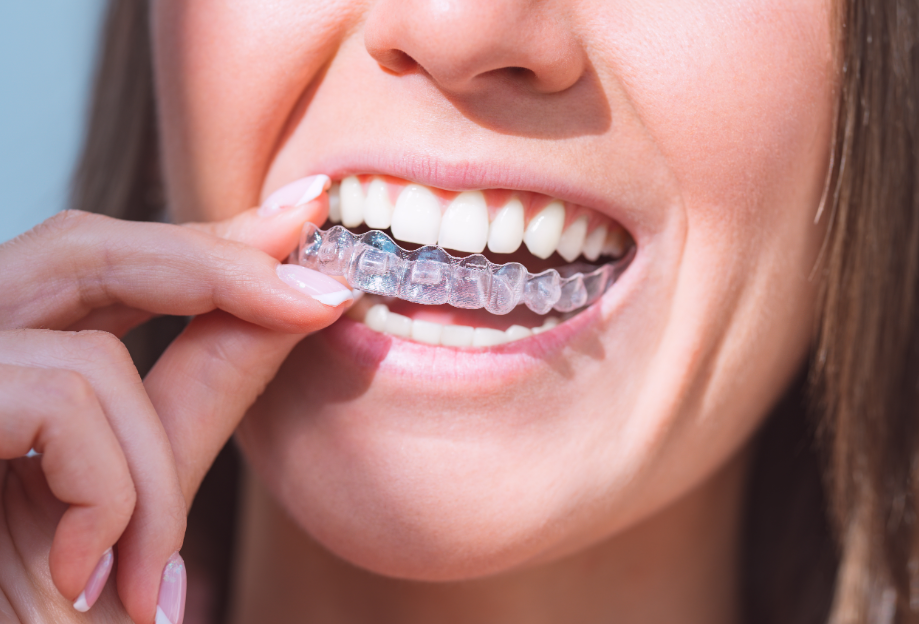
It might seem like a simple solution: just pop your old retainer back in and let it do its thing. In very minor cases, a retainer may help guide teeth back slightly—but this is not something you should try on your own.
If your teeth have shifted more than a small amount, your old retainer may no longer fit properly. Forcing it into place can put excessive pressure on your teeth and even cause damage.
The Risks of Using an Ill-Fitting Retainer
Wearing an old retainer that doesn’t fit correctly can lead to several issues. You might experience pain, gum irritation, or even damage to the teeth and surrounding bone.
In some cases, trying to “push” teeth back into place with the wrong appliance can worsen alignment problems or create new ones. What started as a small concern could turn into a more complex issue.
When a Retainer Might Still Help
If your retainer still fits comfortably and your teeth have only shifted slightly, your dentist or orthodontist may recommend wearing it again for short periods.
However, this should always be done under professional guidance. A quick check can confirm whether your retainer is still safe and effective to use.
Better Options for Realigning Teeth
If your retainer no longer fits, don’t worry—there are modern solutions that can help. Clear aligners and other orthodontic treatments are often used to gently move teeth back into position.
These options are typically faster and more comfortable than you might expect, especially when addressing minor relapse.
The Importance of Professional Guidance
Before trying anything at home, it’s best to schedule an appointment with your dentist or orthodontist. They can assess how much your teeth have shifted and recommend the safest, most effective treatment.
In some cases, they may suggest a new retainer. In others, a short course of orthodontic treatment may be the better option.
How to Prevent Future Shifting
Once your teeth are back where they belong, consistency is key. Wearing your retainer as instructed—often nightly—helps maintain your results long-term.
It’s a small habit that can make a big difference in preserving your smile.
Protect Your Smile the Right Way
It’s tempting to reach for a quick fix, but when it comes to your teeth, a thoughtful approach is always best.
Getting professional advice now can save you time, discomfort, and more extensive treatment later.
About the Practice
The practice, led by Dr. Alison Fitzgerald, provides comprehensive dental and orthodontic care in a welcoming, family-like environment. With nearly 15 years of experience and advanced training from the Kois Center and Progressive Orthodontics, Dr. Fitzgerald focuses on modern, evidence-based treatments that support long-term oral health and beautiful smiles. The team works together to ensure each visit is comfortable, personalized, and tailored to patients of all ages, helping them maintain healthy teeth and achieve their smile goals.
Call us at (520) 881-8902 or schedule your appointment online.